













Obtenir le modèle :
Résumer cet article avec :
Which company does not want to improve its cash flow and reduce late payments? This challenge is crucial for every business. According to a PwC study, 43% of CFOs plan to optimise cash flow over the next 12 months.
It therefore makes perfect sense that companies aim to collect payments faster, reduce payment delays and avoid unpaid invoices at all costs.
If these goals resonate with you, then you should consider implementing debt collection software. What exactly does it do? Why should you invest in it? And what criteria should you evaluate before choosing one?
Why invest in debt collection software?
Improving the way you manage accounts receivable collections is one of the most effective ways to strengthen your cash position. Most companies understand this in theory, yet their collections strategy is often less efficient than it could be due to a lack of time and human resources.
Debt collection tasks are typically time-consuming, repetitive and difficult to manage manually. A debt collection software addresses these challenges and provides several key advantages.
Reduce your DSO with debt collection software
Using debt collection software allows you to reduce your DSO (Days Sales Outstanding) and accelerate cash collection. Thanks to personalised reminder workflows, your collections process becomes far more efficient.
As a result, late payments decrease and your payment terms improve.
At LeanPay, if you follow the same trend as our customers, you could reduce your payment delays by up to 40%. A major improvement for your cash flow.
In terms of days, while the national average payment delay is 13,8 days according to Altares, LeanPay customers report an average delay of only 8,5 days.
Reduce unpaid invoices with automated debt collection
A debt collection software automates many tasks. This ensures that no overdue invoice is forgotten and that every unpaid invoice receives the appropriate reminder.
Based on the reminder activity of our customers, we observe that 97,5% of invoices are paid following internal reminders. This significantly reduces unpaid invoices and helps avoid far more expensive legal proceedings.
Our customers achieve a 75% payment rate within 10 days of the due date and 89% within 30 days of delay (January 2026 data).
Even better: 66% of payments are made before the due date.
I find this debt collection software very functional, with excellent tracking of reminders and a clear, precise dashboard. Customer service is responsive.
Stéphanie H. - Collections Officer
Discover LeanPay 👉Analyse collections performance with real-time dashboards
The KPI dashboards provided by debt collection software help you better manage your collections strategy.
You can analyse and sort data to identify potential areas for improvement, whether related to a geographic area, a specific customer segment or payment behaviour.
This allows you to implement a far more relevant action plan.
Save time on debt collection tasks
Automation enabled by debt collection software obviously saves a considerable amount of time, as one LeanPay customer explains:
“Before LeanPay, chasing customers took me a full week every month. Now it only takes two hours.” Margaux L., Billing manager
This time saving allows you to focus on higher-value tasks within your role.
Improve finance team productivity
A debt collection software such as LeanPay also improves collaboration between finance teams, management and sales teams.
Communication between departments becomes smoother and information sharing is easier. At the same time, the risks linked to manual errors are significantly reduced.
Combined with the time savings, this leads to much higher productivity across your teams.
How to choose the right debt collection software
You are now convinced of the value of debt collection software, but you may be wondering how to choose the right solution among the many options available on the market.
In practice, the best solution for your company should meet two main requirements:
- Features that match your needs
- Seamless integration with your accounting software
Automated payment reminders
This is the core feature of any debt collection software.
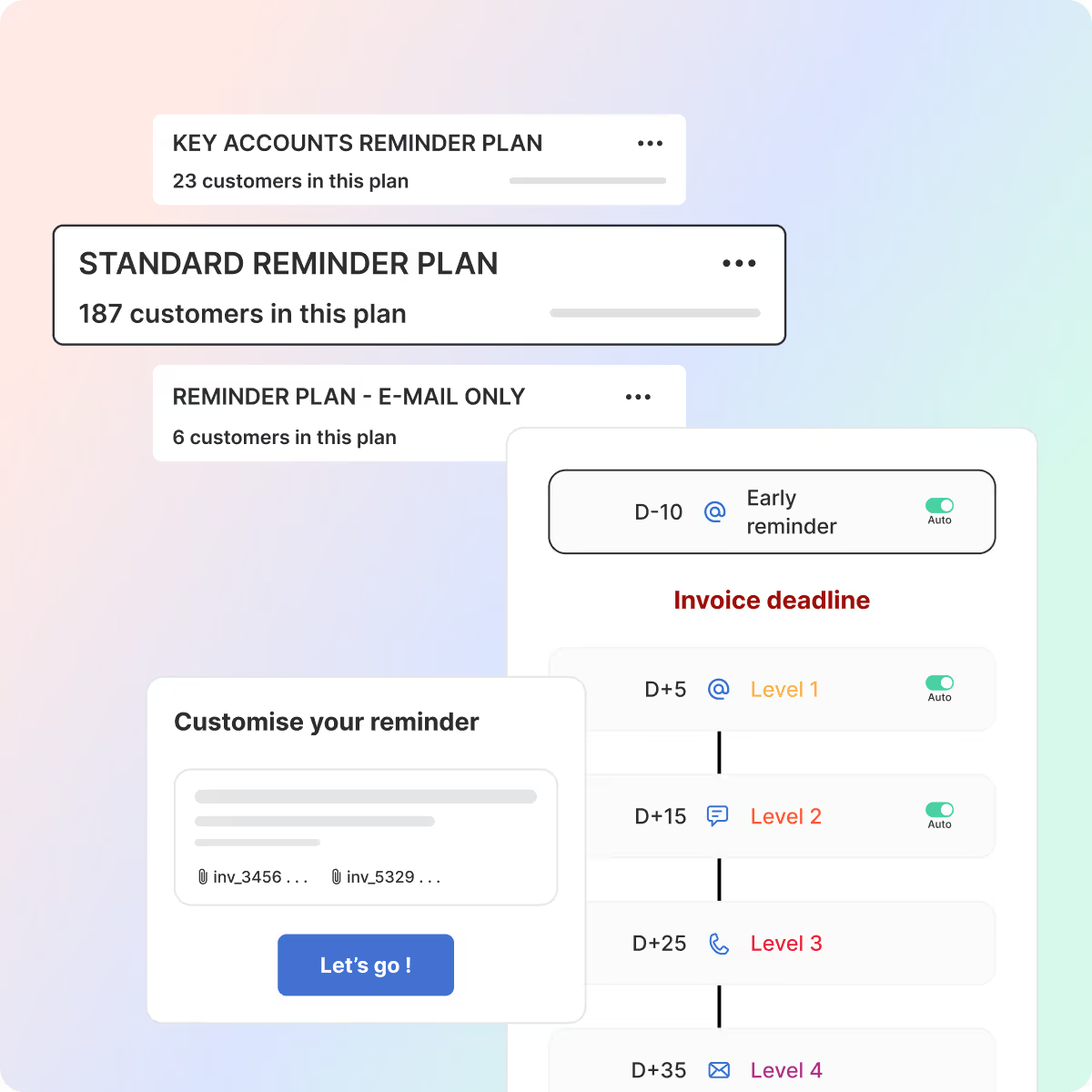
Your solution should allow you to create different reminder workflows tailored to each type of customer: by industry, company size or risk level.
Within these workflows, you should be able to use several communication channels:
- phone calls
- SMS
- standard letters
- registered letters
For each email, SMS or letter, a good debt collection tool must give you full control over the message: editing text, adding or removing content and inserting personalised variables such as the contact name, the company name, the outstanding amount…
The goal is to create progressive and well-structured reminders.
In these reminder workflows, you define the time intervals between each action. You can also automate reminder emails.
Every day, the tool suggests actions to perform. In practice, this usually means validating non-automated emails or letters. The work is already largely prepared.
Real-time collections dashboards
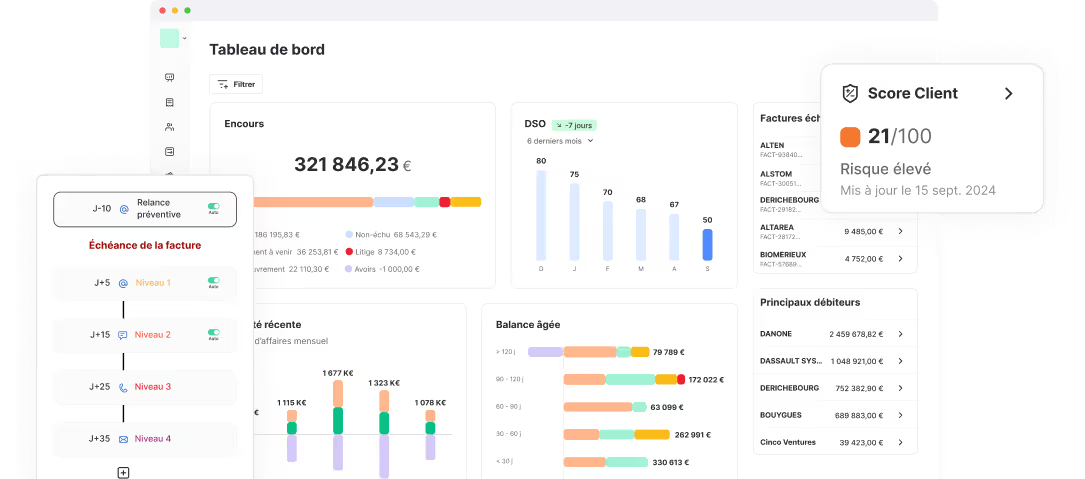
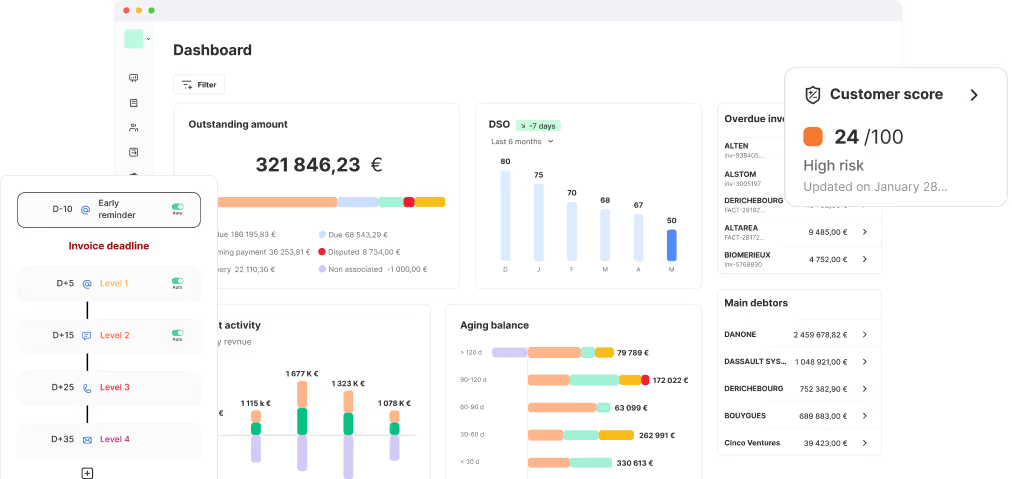
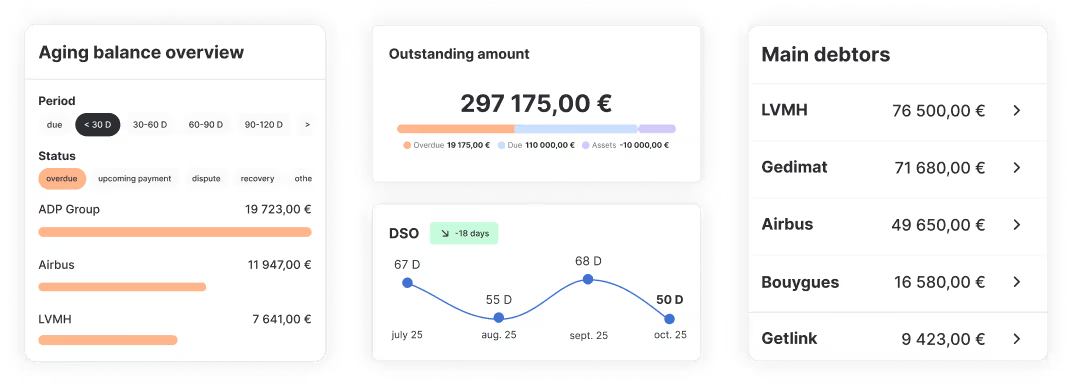
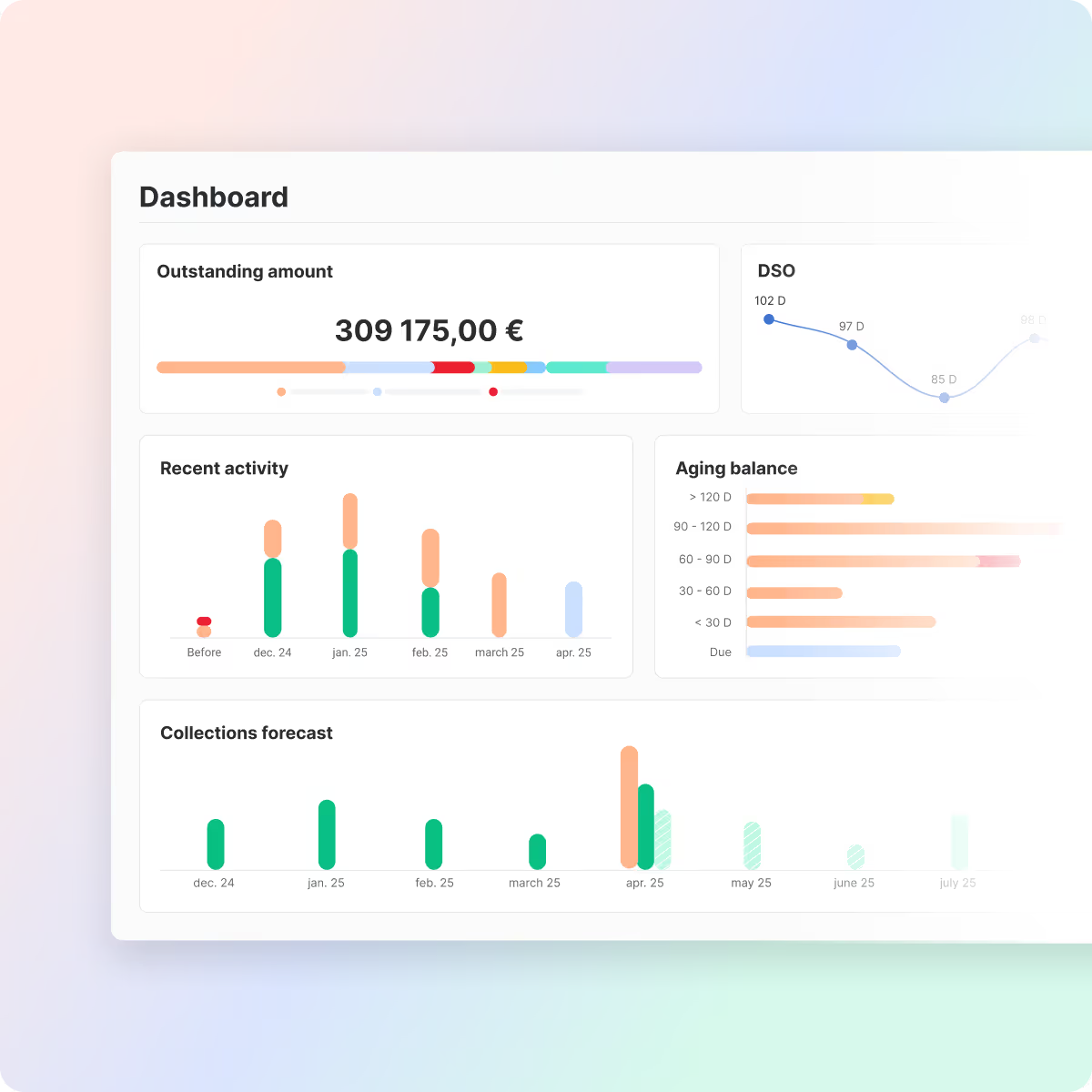
A debt collection software provides a dashboard displaying key accounts receivable KPIs, including:
- aging balance
- outstanding amount
- global and per-customer DSO
- cash collection forecasts
By connecting to your bank and accounting software, the system provides real-time data, which is essential for making the right decisions at the right time.
Online invoice payment
To sustainably reduce payment delays, your debt collection software should include an online payment feature.
This gives late-paying customers access to a secure customer portal where they can pay overdue invoices. Offering several payment methods (bank transfer, direct debit or credit card payment) helps accelerate payments.
Collaborative accounts receivable management
Improving cash flow is a challenge that should involve the entire organisation: management, finance teams and even the sales team.
Your debt collection software should therefore facilitate collaboration and information sharing.
Using a SaaS (Software as a Service) solution is a smart choice. The tool is easily accessible online and always updated to the latest version. Unlike installed software, you avoid:
- installing the software on every workstation
- paying a licence per user
- purchasing updates each time a new version is released
You should also implement role-based access management:
- management: access to dashboards
- finance teams: creation of reminder workflows and validation of reminders
- sales teams: dynamic dashboards based on their customer portfolio
- accountants: if collections are outsourced
Ideally, the software should also include features such as action history per customer, comments and user tagging.
.png)
Obtenir le modèle :
Integration with accounting and ERP software
Your debt collection software must integrate easily with your invoicing or accounting software.
This is essential to avoid manual data entry, which is both time-consuming and prone to errors.
At LeanPay, we have developed several integration methods that allow us to connect with all accounting software and ERP systems within just a few hours.
Credit risk management
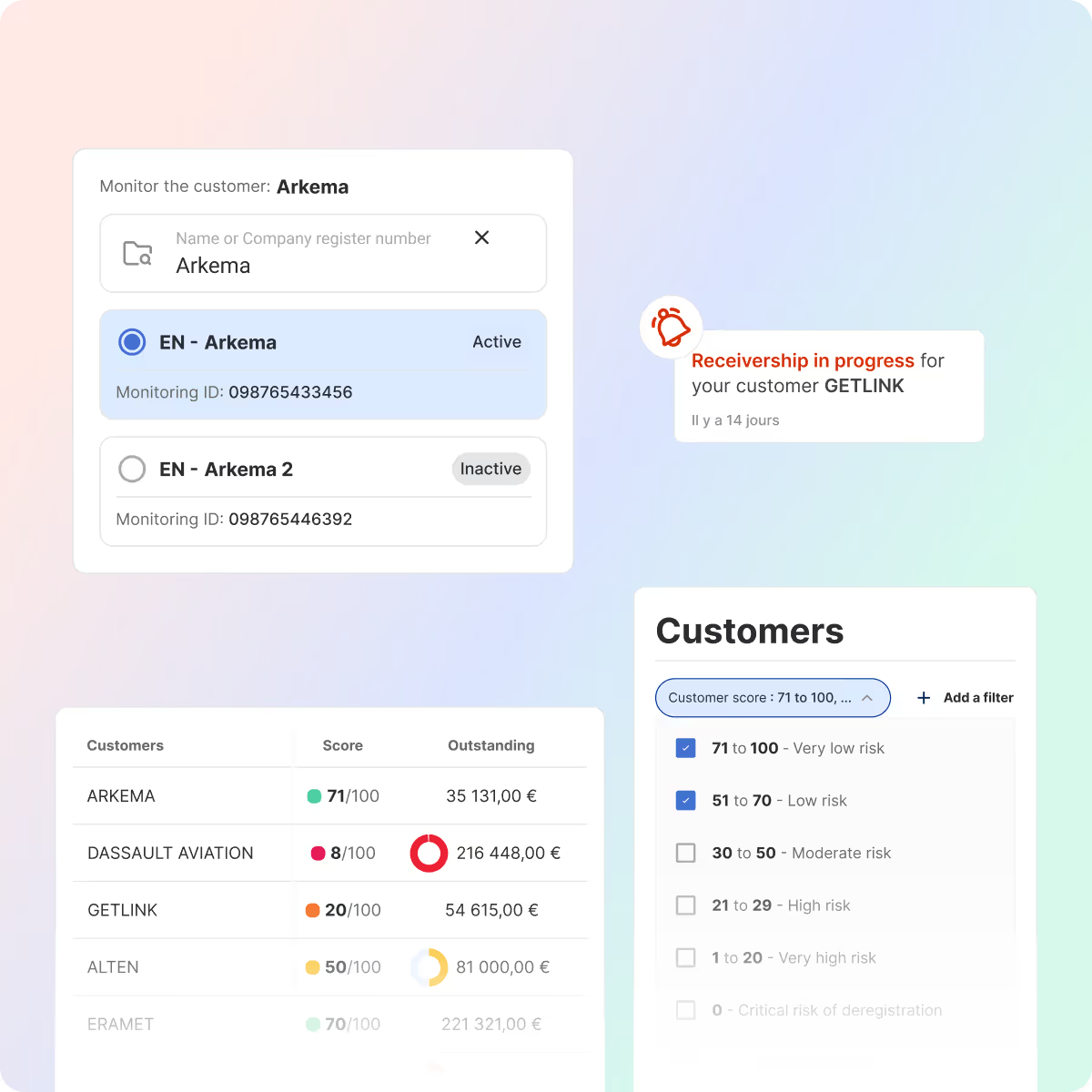
A good debt collection software should not only intervene when an invoice becomes overdue. It should also help anticipate customer risk.
With indicators such as payment history, outstanding exposure and payment delay trends, you can quickly identify risky situations and adapt your strategy.
Some solutions also allow you to:
- define credit limits
- assign risk scores
- trigger alerts when payment behaviour changes
The objective is simple: prevent risk rather than react to it.
Legal debt recovery management
Despite all reminder actions, some situations require a more formal step: legal debt recovery.
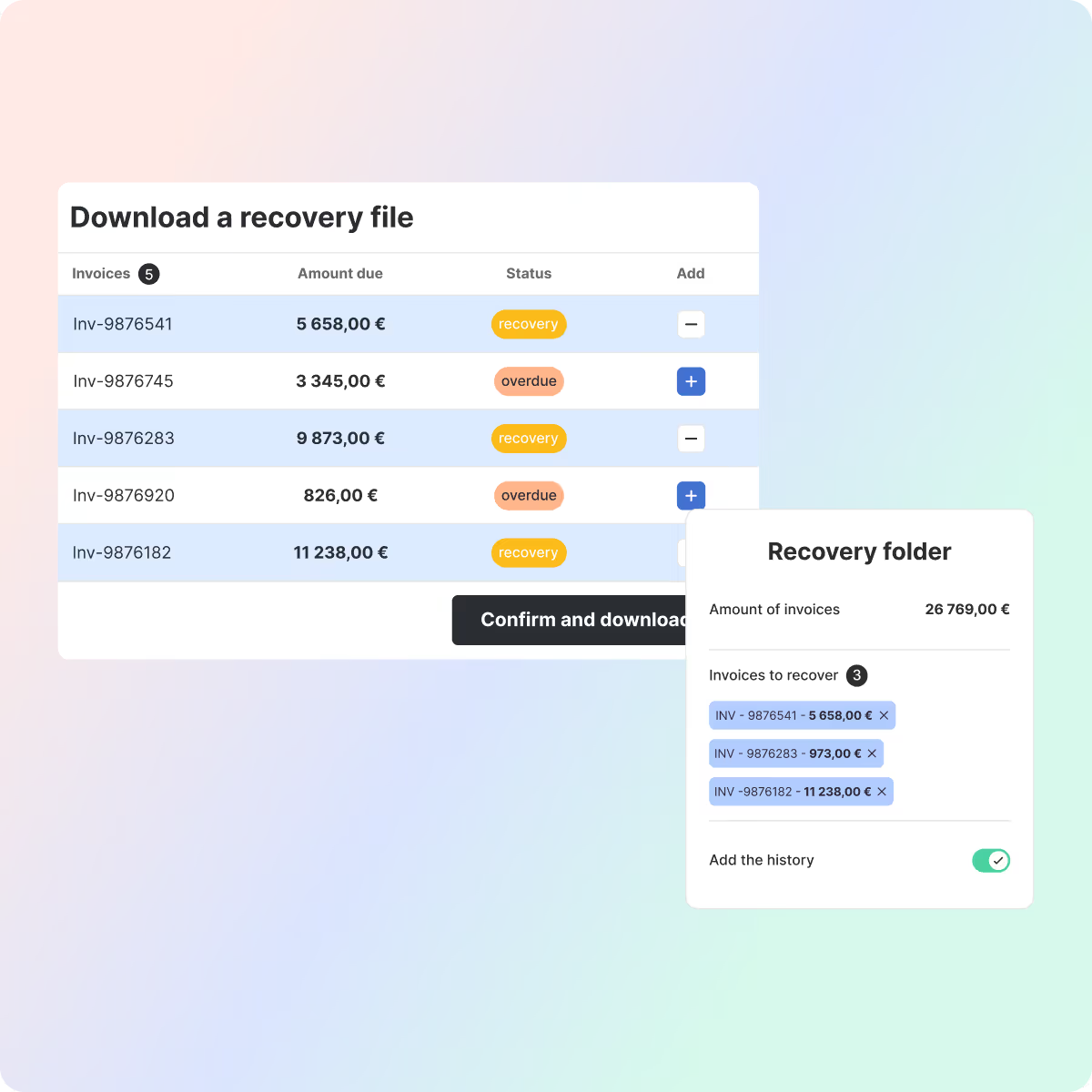
An effective debt collection software should help structure the transition from amicable recovery to legal procedures.
This typically includes centralising all necessary documents:
- invoices
- reminders sent
- customer communications
- contracts or supporting documents
Having a complete file simplifies the process of transferring the case to a collection agency or lawyer.
Debt collection software pricing
When choosing a SaaS tool as recommended earlier, pricing is typically based on a monthly subscription. No long-term commitment is required and you can stop whenever you wish.
However, if you are convinced of the value of debt collection software, as we are, LeanPay also offers discounted rates for annual or three-year commitments.
- SME plan: from 225 € per month
For companies with annual revenue below 15 M €. - SME+ plan: from 500 € per month
For companies with annual revenue between 15 M € and 50 M €. - Mid-market plan: from 685 € per month
For companies with annual revenue between 50 M € and 100 M €. - If your revenue exceeds 100 M €, contact us.
Book a debt collection software demo
To see the full potential of debt collection software such as LeanPay, book a time slot in our calendar.
You will receive a personalised product demo with one of our experts, where you can explore LeanPay’s intuitive design and powerful features.
It is quick and completely free.
Obtenir le modèle :